
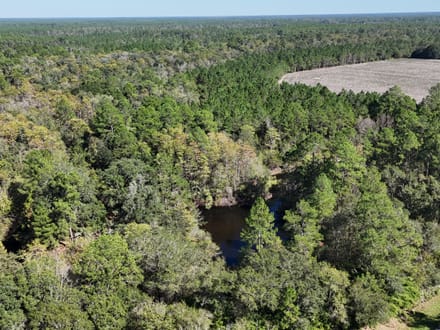
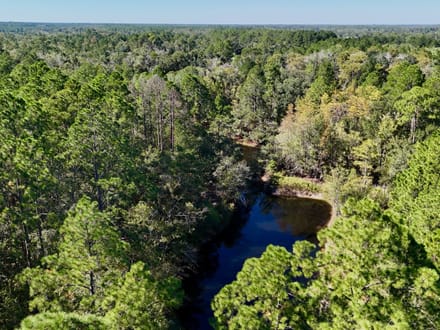
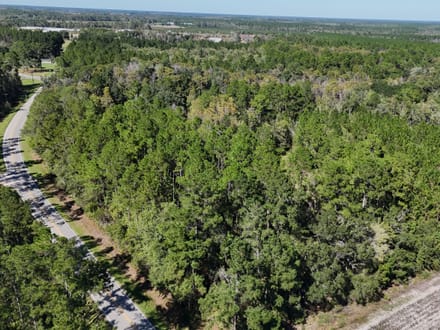
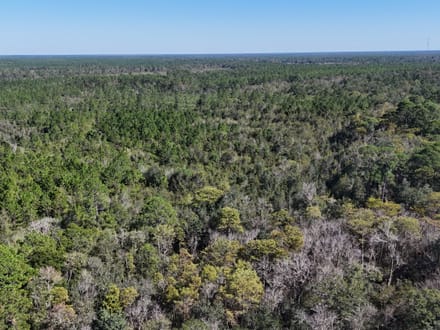
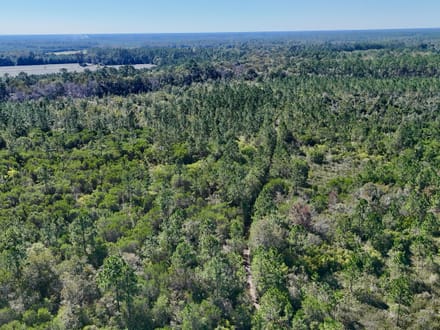
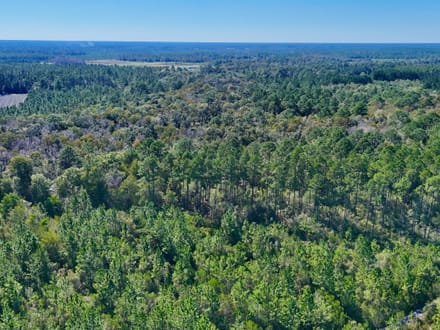
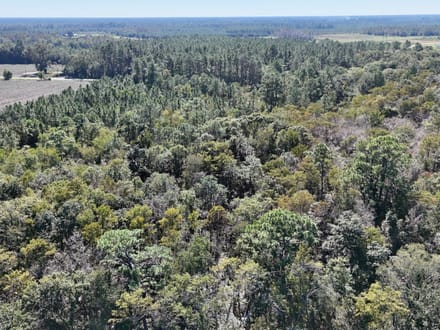
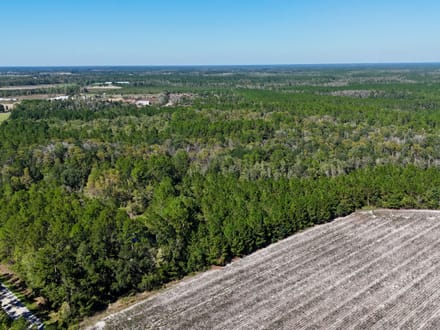
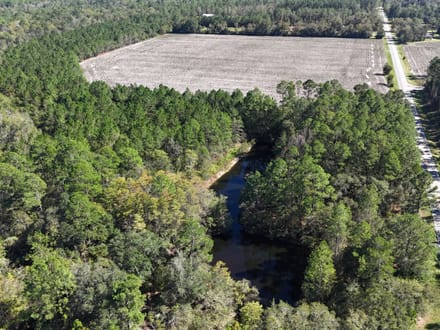
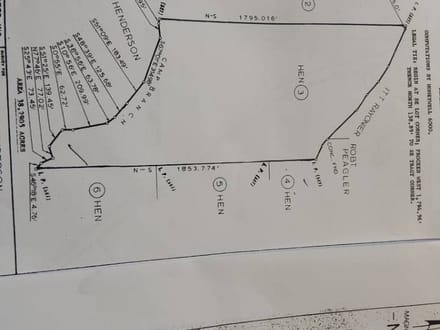


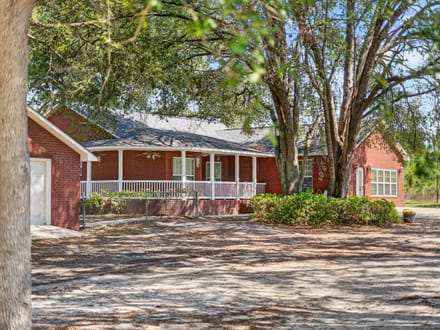
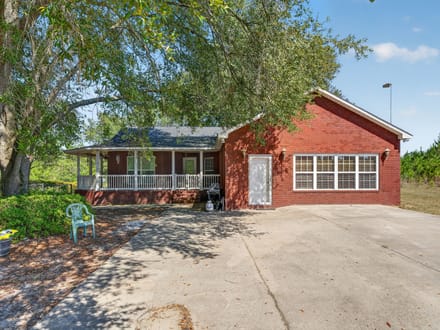


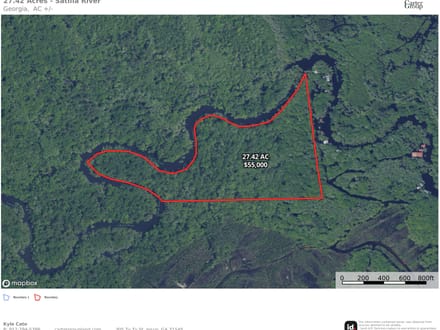


Georgia grows timber faster than almost anywhere in the country, has some of the most productive farmland in the Southeast, and still has rural acreage at price points that make sense. That is why buyers keep coming back to it. Carter Group lists land for sale across Georgia, from planted pine tracts and working farms to hunting properties and rural homesites. Every listing on this page tells you what’s on the ground, like acreage, timber age, road frontage, and county. We walk the dirt so you don’t have to guess.
If you are looking for Georgia land for sale as a long-term hold, a weekend hunting camp, or a place to raise your family away from the city, you are in the right spot. We know timber values, CUVA tax savings, soil types, and what a tract will actually do for you over the next 20 years. Call us, and we will talk you through it.
Frequently asked questions about land for sale in Georgia
How much does an acre of land cost in Georgia?
As of 2025, rural timberland and hunting land in South and Central Georgia runs $2,500 to $8,000 per acre. Closer to Atlanta or the coast, expect $20,000 and up. Irrigated farmland in South Georgia costs around $7,000 to $8,000 per acre. Price comes down to location, timber value, road frontage, and utilities.
What is CUVA, and how does it save me on taxes?
CUVA (Conservation Use Valuation Assessment) allows Georgia landowners who farm, grow timber, or conserve their land to be taxed on use value rather than market value. That can cut your property tax bill by 50% or more. You commit to a 10-year covenant with the county. Break it early, and you owe a penalty equal to twice the savings plus interest.
Should I use a land broker or a regular real estate agent?
Buying 150 acres of timberland is not the same as buying a house in a subdivision. A land broker understands timber cruises, soil maps, CUVA covenants, and what a tract will produce over the next decade. If you are putting real money into Georgia land for sale, work with someone who knows the dirt.
What makes good hunting land in Georgia?
Habitat mix. A tract with pines, hardwoods, and creek bottoms holds more game than a solid block of planted pines. Look for water on the property, food plot locations, interior roads, and a buildable spot for a camp. Walk it before you buy. Photos don’t tell the whole story.
How do land loans work?
Land loans are not home mortgages. Expect 15% to 20% down, shorter terms, and rates that reset every five years. Farm Credit lenders and local community banks handle these deals best. Big national banks usually aren’t set up for it.
