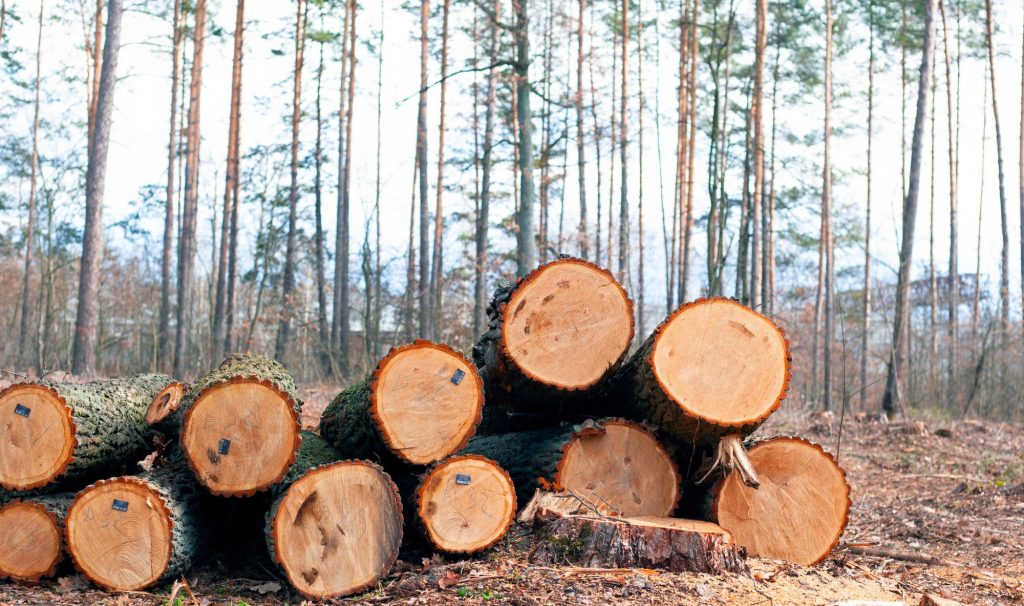
One of the most common questions landowners ask is:
“How do I know when it’s the right time to cut timber?”
And the honest answer is: there is no single age, date, or market condition that automatically makes the decision for you. Because cutting timber is not just about harvesting trees.
It’s about:
- Long-term land goals
- Forest health
- Market timing
- Financial needs
- Future management plans
Done strategically, a timber harvest can improve the health and value of your property while creating meaningful income. Done reactively, it can leave long-term consequences that take decades to recover from.
That’s why understanding when to cut timber matters just as much as understanding how.
Timber Harvesting Should Start With a Goal
Before discussing markets or tree size, the first question should always be:
What are you trying to accomplish with the property?
Your management goals shape whether harvesting makes sense.
For example:
- Are you maximizing long-term timber value?
- Improving wildlife habitat?
- Preparing for future development?
- Creating income for family needs?
- Reducing wildfire fuel loads?
A timber harvest should support the long-term vision for the land—not work against it.

1. The Timber May Be Biologically Mature
One major factor in timing a harvest is determining whether the timber has reached biological and financial maturity.
In simple terms:
Trees eventually slow down in growth rate and value increase.
At a certain point, holding timber longer may:
- Increase risk
- Reduce stand health
- Delay future productivity
Signs timber may be ready include:
- Overstocked stands competing for resources
- Slower annual growth
- Increased disease or insect vulnerability
- Declining stand vigor
A forester can help determine whether your timber is:
- Still growing efficiently
- Ready for thinning
- Ready for final harvest
2. Market Conditions Matter—But Shouldn’t Control Everything
Many landowners wait for “perfect markets.”
The reality is: timber markets constantly fluctuate.
Pricing is influenced by:
- Mill demand
- Housing markets
- Fuel costs
- Storm damage events
- Mill closures and capacity
For example, Southeast Georgia landowners have recently faced:
- Hurricane Helene salvage pressure
- Increased wildfire salvage timber
- 2025 mill closures affecting timber flow
While markets absolutely matter, waiting indefinitely for ideal pricing can sometimes delay good management decisions.
The goal is usually not chasing the highest possible price.
It’s making a harvest decision that aligns with:
- Stand condition
- Land goals
- Financial timing
- Long-term productivity
3. Forest Health May Require Action
Sometimes timber should be harvested not because the market is perfect—but because the forest itself needs intervention.
Examples include:
- Disease outbreaks
- Beetle infestations
- Storm or wildfire damage
- Overstocked pine stands
- Declining hardwood quality
Delaying action in these situations can:
- Reduce timber value further
- Increase management costs
- Create safety or wildfire concerns
In many cases, proactive harvesting protects the future of the property.
4. Your Financial Goals Matter Too
There’s nothing wrong with timber being part of a financial strategy.
Timber harvests are often used for:
- Paying off debt
- Funding retirement
- Purchasing additional land
- Supporting children or grandchildren
- Reinvesting into the property
The important thing is ensuring the harvest aligns with both:
- Your financial needs
- The long-term sustainability of the forest
A quick financial decision without a management strategy can create decades of lost productivity.

5. Different Harvests Serve Different Purposes
Not every timber harvest is a clearcut.
Landowners often hear “cut timber” and assume total removal. But there are several management approaches, including:
Thinning
Selective removal to:
- Improve stand health
- Reduce competition
- Increase future growth rates
- Reduce wildfire fuel load
Selective Harvesting
Targeting specific trees based on:
- Quality
- Species
- Health
Final Clearcut
A full harvest when the stand has reached maturity and regeneration is planned.
Each approach serves different goals—and timing varies significantly.
6. Wildfire and Storm Risk Are Increasingly Important
Across Southeast Georgia, recent years have highlighted how quickly timber value can change.
Wildfires, hurricanes, and storm damage can:
- Reduce timber quality
- Flood local markets with salvage wood
- Increase cleanup costs
- Delay future management plans
This does not mean landowners should harvest out of fear.
But it does reinforce the importance of:
- Active management
- Fuel load reduction
- Forest health monitoring
- Long-term planning
Well-managed forests are often more resilient when difficult conditions occur. Although it is important to remember that sometimes no matter how well the management, some natural disasters are impossible to prevent.
7. Don’t Cut Timber Without Understanding the Contract
One of the biggest mistakes landowners make is rushing into a timber sale without proper guidance.
Before signing any timber contract, understand:
- What is being harvested
- Payment structure
- Reforestation responsibilities
- Best management practices (BMPs)
- Cleanup expectations
- Access and road repair responsibilities
A poorly structured timber sale can damage both the property and future value.

Timber Harvesting Is Stewardship, Not Just Income
For many families, timber harvesting feels emotional.
Trees may have been growing for decades.
Perhaps planted by parents or grandparents.
But harvesting timber is not automatically destructive.
In properly managed forests, harvesting is often part of healthy long-term stewardship.
Ecclesiastes 3:2 reminds us:
“A time to plant and a time to uproot…”
Wise timber management recognizes both seasons.
Trying to Decide Whether It’s Time to Harvest Timber?
Every property is different.
The right harvest timing depends on:
- Forest condition
- Landowner goals
- Market realities
- Long-term plans for the property
Carter Group works with landowners across Southeast Georgia and the Golden Isles to help:
- Evaluate timber maturity and stand health
- Determine thinning or harvest timing
- Navigate timber market conditions
- Develop long-term forest management strategies
If you’re trying to determine whether it’s the right time to cut timber, reach out to Carter Group to discuss your opportunities and options further.
Because wise timber decisions today help shape the value and health of the land for generations to come.